The Best Ways to Reheat a Hot Dog Without Drying It Out

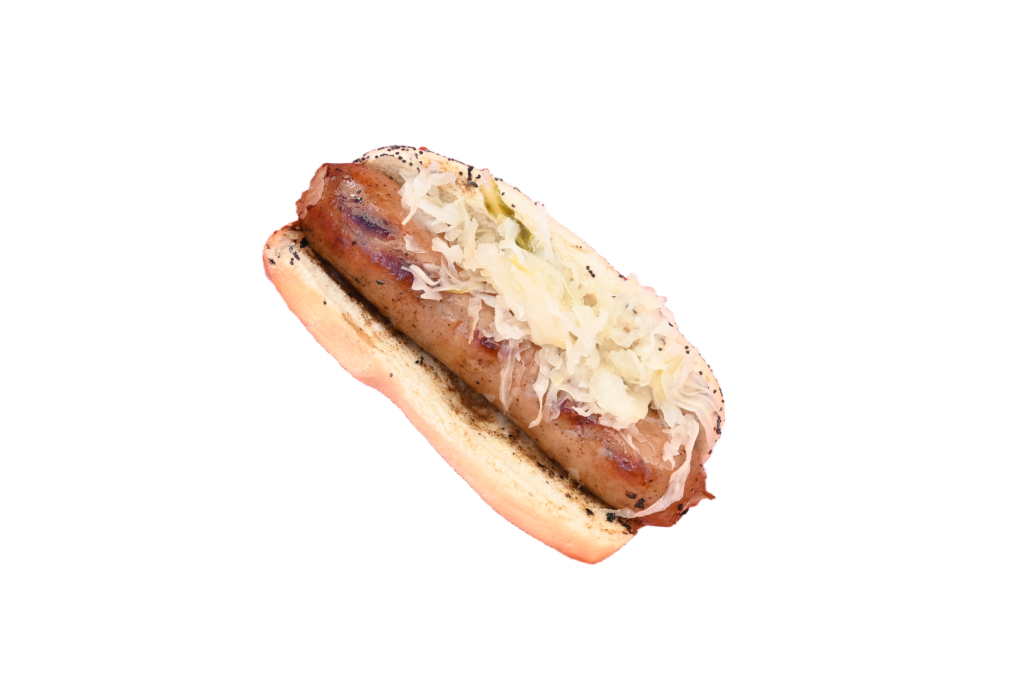
A reheated hot dog is easy to get wrong. Too much heat and the casing tightens, the inside turns mealy, and the whole thing tastes oddly stale. Too little heat and the center stays cool while the outside feels rubbery. The difference between a juicy hot dog and a disappointing one often comes down to how you manage moisture and timing.
That matters more than people think. A hot dog is already a fully cooked product with a fairly delicate balance of fat, water, salt, and protein. When it sits in the fridge overnight, those components settle. Reheating is not really about cooking it again. It is about warming it through gently enough that the fat stays pleasant, the juices stay inside, and the texture remains close to fresh.
I have reheated plenty of them over the years, from a couple left over after a cookout to a full tray from a concession stand cleanup. The best method changes depending on whether the hot dog is plain, already in a bun, split on the grill, loaded with chili, or pulled straight from the refrigerator versus the freezer. Still, a few patterns hold true. Moist heat protects. Short cooking times matter. And when in doubt, stop before the hot dog looks fully “done,” because carryover heat will finish the job.
What drying out really means
When people say a hot dog dried out, they usually mean one of three things. The first is actual moisture loss, where the surface dehydrates and the interior loses some of its juiciness. The second is fat loss, often caused by overheating until the hot dog begins to split and leak. The third is textural tightening. Even if the hot dog has not lost much water, excessive heat can make the proteins contract enough that it eats dry.
That is why the microwave gets such mixed reviews. It can work very well, but it can also create hot spots that overcook one side while leaving the middle merely warm. The same goes for reheating in a skillet or air fryer. Those methods can be excellent if you use restraint. They can also ruin a perfectly decent hot dog in less than two minutes.
There is another factor people overlook, the bun. A hot dog that was refrigerated inside a bun often seems drier than one stored separately, even if the sausage itself is fine. The bread wicks moisture from the surface and then turns a little stale in the cold. Reheating both together can compound the problem unless you add some steam or wrap the whole thing thoughtfully.
The method I trust most
If the goal is the best balance of speed, moisture, and reliability, gentle steaming wins. It is not flashy, but it consistently produces the kind of reheated hot dog that still tastes like a hot dog, not a compromise meal.
You do not need a steamer basket. A small pan with a splash of water and a lid works beautifully. Bring the water just to a simmer, not a rolling boil. Set the hot dog in the pan so it is not fully submerged, cover, and let the trapped steam do the work. Usually two to four minutes is enough for one or two refrigerated hot dogs, depending on thickness. Turn them once if needed.
What makes this method work is that the humid environment warms the hot dog evenly while keeping the casing supple. You are not blasting the outside with dry heat, so there is far less chance of shriveling. If the hot dog was originally grilled and you want a little of that snap back, you can steam it first and then give it 20 to 30 seconds in a hot skillet right at the end. That tiny finishing step restores some surface character without drying the interior.
For hot dogs stored in buns, I like to separate them if possible. Steam the sausage briefly, then warm the bun on top of the pan for the last 20 to 30 seconds with the lid on. The bun softens from the residual steam instead of turning stiff or soggy.
When the microwave is the right choice
People love to dismiss the microwave, but it is often the most practical option, especially for one hot dog at lunch or a late night snack. The trick is to treat the microwave as a gentle warming tool, not a speed contest.
Wrap the hot dog in a barely damp paper towel. That little bit of moisture makes a bigger difference than most people expect. It buffers the surface, adds humidity, and helps prevent the casing from hardening. Microwave on medium power if your machine allows it, not full power. For one refrigerated hot dog, start around 20 seconds, check, then add 10-second bursts until hot. Many standard hot dogs are ready in 30 to 40 seconds total. Larger franks may take closer to 50 or 60 seconds.
If you microwave it until it visibly splits, you https://hectoreguz283.slatecurrent.com/posts/the-best-onion-toppings-for-a-flavorful-hot-dog have gone too far. Once a hot dog bursts, the juices escape, and the damage is done. The center may still taste fine, but the texture becomes noticeably drier around the tear. I stop the microwave when the hot dog feels hot to the touch and just begins to plump.
A bun can go in too, but not for the full heating time. If you microwave the bun with the sausage from the start, it often turns chewy. Warm the hot dog first, then tuck it into the bun and microwave the whole thing for another 8 to 10 seconds, wrapped loosely in the damp towel. That brief second pass brings everything together without overdoing the bread.
Skillet reheating for better flavor
A skillet is my favorite method when I want the hot dog to taste a little more intentional, almost as if I cooked it fresh. It works especially well for hot dogs that were originally griddled or grilled.
The mistake here is using a dry pan over high heat. That gives you blistering on the outside before the middle warms through. Instead, set the pan over low to medium-low heat and add a teaspoon or two of water. Place the hot dog in the pan and cover it. The water will create light steam first, which gently reheats the interior. Once the water evaporates, the hot dog will start to sizzle lightly and take on a bit of browning. That is your sweet spot.
This approach gives you control. You can stop while the surface is still smooth and juicy, or let it go a touch longer for more color. Either way, the covered pan does most of the protection. If I am reheating several hot dogs for a family lunch, this is the method I use most often, because it scales well and delivers better flavor than the microwave without much more work.
There is one caution with natural casing hot dogs. Those casings can toughen if the skillet gets too hot. Keep the heat lower than you think you need. Patience pays off.
The oven works, but only with protection
The oven is not my first choice for one or two hot dogs, but it becomes useful when you need to reheat several at once. Without protection, though, the oven is notorious for drying them out. Hot circulating air is efficient at stripping moisture from small foods.
Wrap each hot dog loosely in foil with a few drops of water inside, or place several in a covered baking dish with a spoonful or two of water at the bottom. Heat them at a moderate temperature, around 300 to 325 degrees Fahrenheit. Most refrigerated hot dogs will be ready in about 10 to 15 minutes.
The advantage is consistency. If you are serving a group and want all the hot dogs ready together, the oven makes sense. The downside is that it is slower, and if you forget them for even five extra minutes, quality drops fast. A hot dog is not like a roast chicken that can handle a broad window of doneness. It has a fairly narrow reheating window where it is at its best.
Buns deserve separate treatment here. Wrap them in foil during the last few minutes so they warm and soften instead of toasting into dryness.
Air fryer results depend on restraint
The air fryer can produce a decent reheated hot dog, but it is not the most forgiving appliance for the job. Because it uses concentrated dry heat, it tends to tighten the casing quickly. If you already like your hot dog with a snappy exterior, that may be fine. If you are chasing maximum juiciness, another method is usually better.
The safest way to use an air fryer is at a lower temperature than many online recipes suggest. Around 300 to 325 degrees Fahrenheit works better than cranking it much higher. For a refrigerated hot dog, start with about two minutes, then check. Rotate if needed and continue in short bursts. Some models run hot, and a single extra minute can push a hot dog from pleasantly warm to shriveled.
If the hot dog is already inside a bun, do not air fry the whole thing from cold unless you specifically want a toasted bun. The bread often dries out before the sausage reheats properly. Warm the hot dog first, then add the bun for the last 20 to 30 seconds if needed.
Boiling is not ideal, but simmering has its place
Dropping a leftover hot dog into aggressively boiling water is one of the quickest ways to make it waterlogged on the outside and split on the inside. That said, a very gentle simmer can work, especially if the hot dog has been refrigerated plain and you do not mind sacrificing a little surface flavor for moisture.
Use barely simmering water, not a full boil, and pull the hot dog as soon as it is heated through, usually in three to five minutes. This method is more forgiving than dry heat, but the texture can be slightly softer than with steaming or skillet reheating. It reminds me of concession stand hot dogs held in warm water, which some people genuinely prefer.
It is also handy if the hot dog has become a bit dry already. Simmering will not reverse all the damage, but it can rehydrate the surface enough to make it more enjoyable.
If the hot dog is frozen
Frozen hot dogs are a different situation. You can reheat from frozen, but the risk of uneven heating rises sharply. The outside warms before the center, which tempts people to keep cooking until the surface dries out.
Whenever possible, thaw first in the refrigerator. Even a few hours helps. If you need to go straight from frozen, steaming or a covered skillet with a splash of water gives the best results. Microwave defrost settings can work, but they are inconsistent from one machine to the next. I have had some hot dogs come out fine and others half cooked on one end and still icy on the other.
Once thawed, treat them like refrigerated hot dogs and use one of the gentler methods above.
Loaded hot dogs need a different approach
A plain hot dog is simple. A loaded one, especially with chili, cheese, onions, sauerkraut, or relish, needs strategy. Toppings trap moisture in some places and create sogginess in others. Cheese can break. Onions can become harsh or limp. The bun often suffers most.
If the hot dog is heavily dressed and you have any choice in the matter, disassemble it before reheating. Warm the sausage and the bun separately. Reheat chili or cheese sauce on its own if possible. Fresh toppings such as raw onions or relish are usually best added after reheating, not before. Sauerkraut can go either way, but I prefer to warm it gently in a small pan rather than pile it on cold.
This is one of those cases where a little fussiness pays off. A fully assembled leftover chili dog rarely comes back beautifully if you simply blast it with heat. The flavors may still be good, but the bun often gives up before the sausage does.
The fastest summary of what works best
- For the juiciest reheated hot dog, use steam or a covered pan with a splash of water.
- For one quick serving, the microwave is excellent if you use a damp paper towel and short bursts.
- For better browning and flavor, finish in a skillet after gentle reheating.
- For multiple hot dogs, the oven works well only if you add moisture and cover them.
- For loaded hot dogs, separate the components whenever possible.
Small details that make a big difference
Storage affects reheating more than most people realize. A hot dog left uncovered in the refrigerator even for a few hours will dry on the surface, and that dryness intensifies during reheating. If you know you will be saving extras, store them in an airtight container as soon as they cool. If they were cooked on the grill, let them cool just enough to avoid trapping steam that turns everything wet, then cover.
Timing matters too. Most leftover hot dogs are better eaten within three to four days if refrigerated properly. The longer they sit, the more the texture degrades. Even the best reheating method cannot fully restore a hot dog that has spent nearly a week in the fridge absorbing odors and losing moisture.
There is also the issue of size and style. A skinny standard frank reheats quickly and can overcook in seconds. A larger beef hot dog takes longer and is slightly more forgiving. Natural casing hot dogs retain snap well, but they punish high heat. Skinless ones are more likely to split messily in the microwave if overheated.
One practical habit I rely on is pulling the hot dog just before it seems perfect. After reheating, give it 30 to 60 seconds to rest. That short pause lets the heat even out from edge to center. If you bite into it straight away and judge it slightly cooler than ideal, remember that it may still be climbing.
Common mistakes that ruin leftovers
Most bad reheated hot dogs suffer from overconfidence. People assume such a small food cannot possibly need care, then hit it with maximum heat. That is where the splitting, shriveling, and rubbery texture begin.
A few errors show up again and again:
- Using high heat from the start, especially in a dry skillet, oven, or air fryer.
- Reheating a bun for as long as the hot dog, which leaves the bread tough or stale.
- Microwaving continuously instead of in short bursts with checks in between.
- Trying to reheat a heavily dressed hot dog fully assembled.
- Ignoring carryover heat and waiting until the sausage looks extremely hot before stopping.
The good news is that these mistakes are easy to avoid once you know what to watch for.
When texture matters more than speed
Some situations call for extra care. If you are serving guests, recreating a ballpark-style hot dog dinner, or trying to salvage expensive all-beef franks, choose the method that protects texture first and saves time second. Steam, then finish briefly in a skillet if needed. That two-step approach gives you heat, moisture, and flavor.
It is particularly effective with grilled leftovers. Straight microwave reheating can flatten the charred flavor and soften the exterior too much. Straight skillet reheating can dry the inside before the center warms. Steam first, then 20 to 30 seconds per side in a lightly oiled pan, brings back a surprising amount of life.
I have used this approach after summer cookouts where a dozen hot dogs went back into the fridge. The next day, people often assume the leftovers were cooked fresh, especially if the buns are warmed separately and the toppings are added thoughtfully. That is about the highest compliment reheated food can get.
A few words on safety
Hot dogs are precooked, but leftovers still need safe handling. Refrigerate them promptly, ideally within about two hours of cooking, sooner if the weather is hot. Reheat until they are steaming hot throughout. If one has been sitting in the fridge long enough that you are wondering whether it is still good, trust the doubt and skip it. Texture can be repaired. Spoilage cannot.
If a hot dog was left out overnight, it is not worth rescuing. This is one food where replacement is cheaper than risk.
The best choice for most people
If I had to recommend one method to the average home cook who wants the best shot at a juicy reheated hot dog, it would be this: use a covered skillet or small pan with a tablespoon or two of water over low heat. It is faster than setting up a full steamer, gentler than dry reheating, and more flavorful than most microwave attempts. It also gives you a built-in margin of error, which matters when you are reheating something that can go from perfect to disappointing very quickly.
If convenience matters most, the microwave with a damp paper towel is your next best friend. Used carefully, it does a far better job than its reputation suggests.
The real secret is not a gadget. It is understanding that a hot dog reheats best when you treat it like a small, delicate sausage rather than a throwaway leftover. Keep the heat moderate, keep some moisture in play, and stop early enough to let the interior finish gently. Do that, and even yesterday’s hot dog can still taste like something you wanted, not merely something you had to use up.
Under Construction Hot Dogs
1225 W U.S. Hwy 50, Pueblo, CO 81008
FAQ About hot dog
What are different types of hotdogs?
Under Construction Hot Dogs offers a classic all-beef hot dog, a quarter-pound Jumbo Dog, a Chili Dog, and a Chicago Dog, along with brats and a Spicy Link.
What does a chili dog have on it?
Our Chili Dog pairs a Vienna all-beef hot dog with chili, shredded cheddar cheese, and finely diced onions.
What is in a traditional Chicago dog?
Our Chicago Dog comes on a steamed poppy seed bun with yellow mustard, bright green relish, onions, tomato wedges, a pickle spear, sport peppers, and celery salt.